In this blog, we explain how Open Source ERP Backbone of Modern Businesses shows the need for simple, flexible tools that keep work organized.
Open source ERP lets companies see, change, and share the software code freely. This gives them full control over their system.
Unlike normal ERP systems, which often need costly licenses and tie you to one vendor, open source ERP is flexible, open, and improved by the community.
This freedom allows businesses to adapt fast, save money, and keep their operations running efficiently without relying on a single provider.
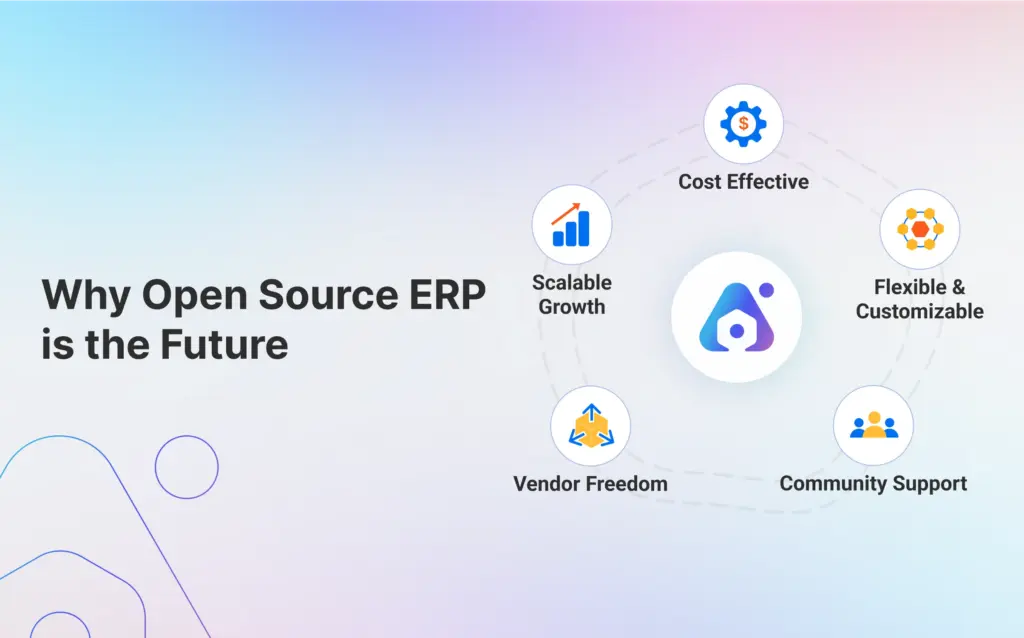
Why Open Source ERP is the Future
These systems offer freedom, lower costs, and the ability to grow without limits. They help businesses work faster and adjust to new needs easily.
They also give companies full control over features, data, and integrations, making them a smart choice for long term success.
1. Affordable Option
This type of ERP system is very cost effective, making it ideal for new and small to medium sized businesses.
By avoiding high licensing fees, companies can spend more on customizing the system, training staff, and getting proper support.
2. Customization and Flexibility
These ERP systems are easy to change. You can edit workflows, add new features, or connect other tools with very little effort.
Developers can update the system quickly, so the software fits your needs as your business grows.
3. Community Support
Popular open source ERPs have large and active communities. These developers share fixes, new ideas, and helpful guides.
This strong support leads to quick updates and faster solutions when problems appear.
4. Freedom from Vendor Lock In
These systems do not tie businesses to a single vendor. This removes long term limits and gives companies full control.
Teams can switch support providers, choose their own hosting method, and connect the system with any tools they need.
5. Growth Potential
Platforms like Odoo, ERPNext, and Aureus ERP are built to grow with your company. They work well for small teams and can support large businesses as they expand.
These systems can add more features, handle more users, and adapt to new needs without major changes.
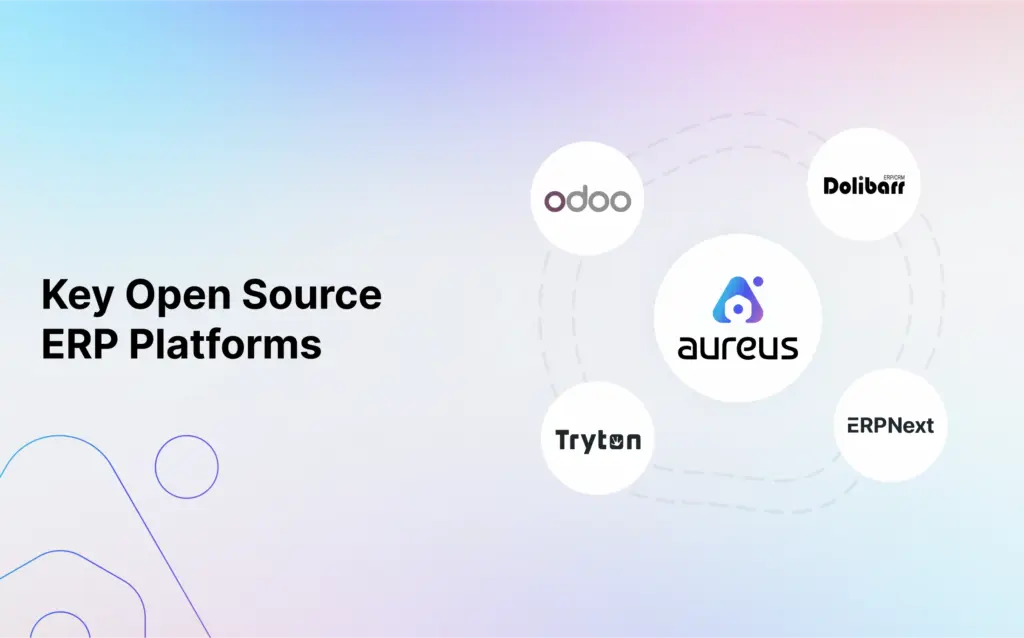
Key Open Source ERP Platforms
These ERP tools offer strong features, easy setup, and room to grow.
They help businesses run daily tasks smoothly with systems that are open, flexible, and cost friendly.
1. Odoo
Odoo is a popular ERP system that offers 30+ business apps supported by a strong community.
It is modular, simple to use, and can scale as your business grows.
2. ERPNext
ERPNext is built with a clean and simple design, making it easy for teams to use every day.
It works well for small and mid sized businesses that need a smooth and clear ERP setup.
3. Aureus ERP
Aureus ERP is a simple and user friendly PHP based ERP system built to make daily business tasks easier.
It is a great choice for companies that want a light, fast, and flexible tool with strong customization options.
It also includes helpful modules like Inventory Management and Contact Management, which support smooth day to day operations.
Many teams and developers prefer it because it is easy to use and can grow as the business grows.
4. Dolibarr
Dolibarr is a simple and lightweight ERP system that is easy for anyone to use.
Its clean setup and low resource needs make it a great choice for small businesses.
5. Tryton
Tryton is built as a strong and flexible business platform that supports many use cases.
It works well for companies that need advanced features and custom workflows to match their specific needs.
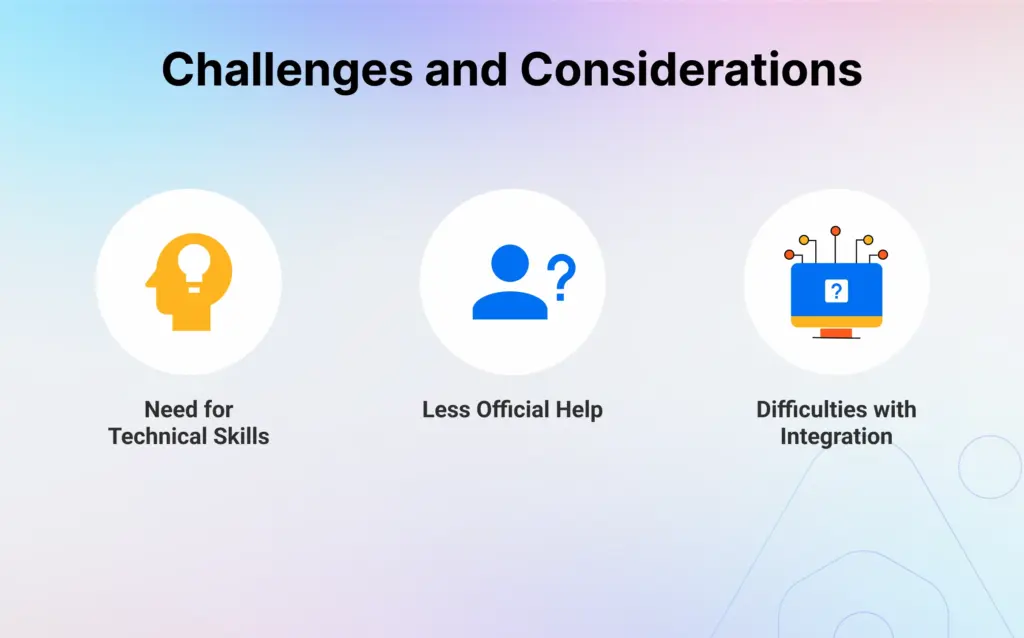
Challenges and Considerations
These systems have many good points, but you still need to plan well before using them. They work best when the setup is done with care.
Teams also need to think about support, updates, and how the software will connect with their other tools.
1. Things to Keep in Mind
These systems offer many benefits, but they also come with a few challenges that businesses should understand before getting started.
2. Need for Technical Skills
Setting up and customizing the system often requires skilled developers who know how to adjust workflows and settings.
3. Less Official Help
While community help is strong, official support may be limited or may come with extra cost when you need expert guidance.
4. Difficulties with Integration:
Connecting the platform with older tools or external services can sometimes be difficult and may need extra development work.
Final Thoughts
Open source ERP systems, including Aureus ERP, are now a common choice for companies that want control, easy growth, and better value.
These systems help businesses cut costs, avoid vendor lock in, and shape the software to fit their daily work.
This blog showed how the Open Source ERP Backbone of Modern Businesses helps teams work better. A flexible tool like Aureus ERP offers easy setup and room to grow.
Companies planning for the digital future can use these tools to work smoother and scale with confidence.


Be the first to comment.